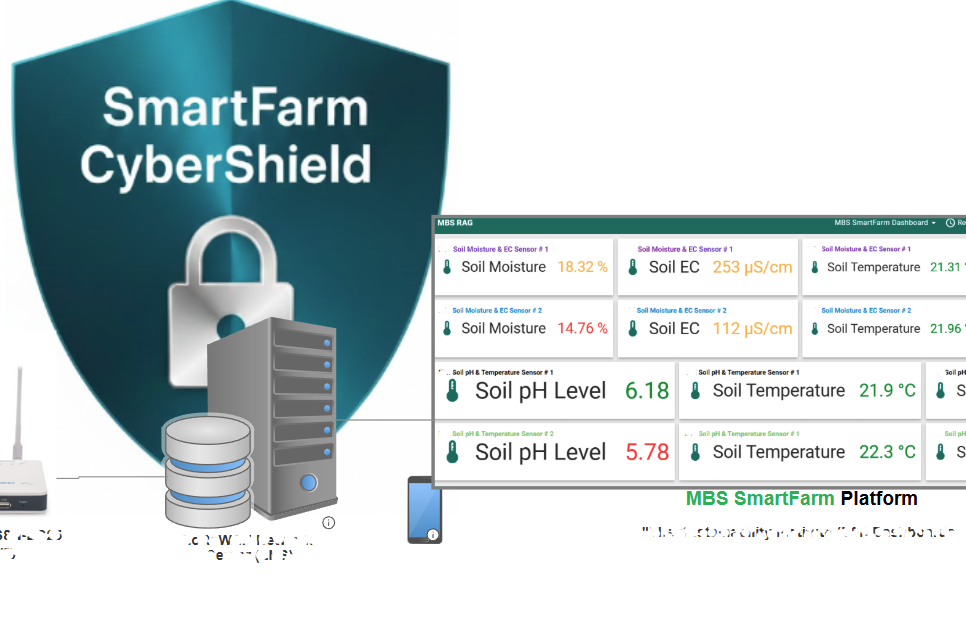
Smart Farming & Cybersecurity are at the heart of agriculture’s digital transformation. With the rise of Agri-IoT sensors, automated irrigation systems, drones, and cloud-based platforms, farms are becoming more data-driven, efficient, and responsive than ever before. While this evolution unlocks major gains in productivity and sustainability, it also brings a critical new challenge: securing digital agriculture from cyber threats.
The Growing Risk
As farming systems grow increasingly connected, the risk of cyberattacks grows with them. Protecting farm infrastructure, sensitive data, and digital operations is no longer optional; it’s essential for ensuring continuity, resilience, and trust across the agricultural value chain. In this post, we’ll explore why cybersecurity is vital to Smart Agritech, which risks are emerging, and how stakeholders can build stronger digital defenses from the ground up.
Why Cybersecurity Matters in Smart Agritech
Smart farming tools are quickly becoming the norm across the globe. From Agri-IoT-based soil sensors and automated irrigation systems to mobile dashboards and weather-integrated alerts, technology is embedded in day-to-day farm management.
However, with this digital integration comes increased vulnerability. Farms and agribusinesses now face risks such as:
• Hacking or unauthorized control of irrigation and automation systems.
• Data breaches exposing farm performance, yield forecasts, or proprietary methods.
• Ransomware attacks disrupting operations, logistics, or supply chains.
One notable example is the ransomware attack on a major U.S. grain cooperative in 2021, which halted operations during a critical harvest period. As similar technologies expand into emerging markets, the need for cybersecurity grows stronger.
Protecting both physical systems and digital assets is no longer optional, it’s fundamental to the success of modern agriculture.
Challenges in Smart Agritech Cybersecurity
As promising as Smart Agritech is, it also brings unique cybersecurity challenges that differ from traditional enterprise environments. Many farms and agri-businesses operate in rural or low-connectivity areas, making it harder to apply standard security practices.
Here are some of the main challenges:
• Low awareness and technical literacy
• Legacy and unpatched systems
• Insecure Agri-IoT deployments
• Limited budgets
In 2020, reports emerged of attackers compromising irrigation systems in large greenhouse operations, causing water waste and crop damage. Such examples highlight how a simple breach can have severe economic and operational consequences.
Addressing these challenges requires more than just technology, it requires education, local support, and tailored security models that work in low-resource and remote farm environments.
The Growing Role of Data in Agriculture
Modern agriculture is no longer just about planting and harvesting, it’s about data. Sensors in the soil, drones in the air, and weather stations in the field collect vast amounts of information that farmers use to make real-time decisions. This data informs when to irrigate, what to fertilize, and how to rotate crops for maximum efficiency.
As farms become more dependent on digital insights, the data generated becomes both valuable and vulnerable. Losing access to this data or worse, having it manipulated, can result in poor decisions, lost yields, or damaged supply chain trust. Cybersecurity is no longer an optional add-on; it’s the backbone of modern farming intelligence.
Real-World Risks with Real-World Consequences
While some may view cyber threats as distant or unlikely in a rural setting, real-world incidents are proving otherwise. In 2019, an Australian wool broker was locked out of its trading system by a ransomware attack, bringing operations to a halt. In the U.S., multiple grain co-ops and agricultural processors have reported cyber intrusions in recent years, often during harvest seasons when timing is critical.
These attacks aren’t just digital headaches they result in real-world delays, financial loss, and shaken trust. As agricultural operations continue to digitize, their exposure to threats grows, making proactive security essential.
Conclusion: A Call to Secure the Roots of Digital Farming
The fusion of agriculture and technology is one of the most exciting and transformative forces shaping food production today. But with innovation comes responsibility. As we build smarter farms, we must also build stronger defenses.
Whether you’re a farmer, smart agritech startup, cooperative, or policymaker, cybersecurity must be part of the conversation. Securing the digital foundations of farming not only protects data and devices, it protects livelihoods, food security, and the future of agriculture itself.