

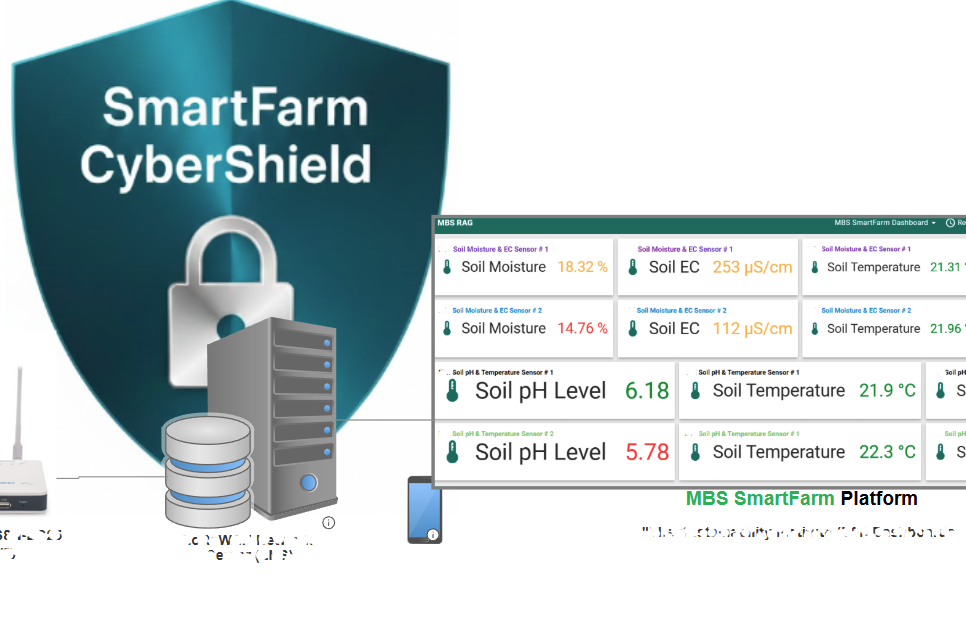
Securing smart agritech tools is essential in modern farming. Tools like irrigation systems, mobile dashboards, and soil sensors add huge value. But every connected device also introduces potential cybersecurity risks.
This article shares practical strategies for farmers, cooperatives, and agribusinesses. The goal is to help secure digital infrastructure and build cyber resilience.
1. Start with Digital Hygiene
ike any connected system, agriculture needs a strong cybersecurity foundation. That begins with basic digital hygiene:
• Use strong, unique passwords for all smart devices and dashboard accounts.
• Regularly update firmware and software to patch known vulnerabilities.
• Disable unused ports, services, or remote access settings.
• Use two-factor authentication where possible.
2. Secure Your IoT Infrastructure
Many farms now rely on IoT sensors to monitor and control operations, but these devices are often the weakest link. To minimize risks:
• Avoid cheap or generic IoT devices with no update or encryption capabilities.
• Place IoT devices on a separate network from your core systems.
• Encrypt communication between sensors, gateways, and cloud platforms.
• Physically secure exposed devices to prevent tampering.
3. Protect Farm Data
Farm performance data, yield forecasts, and environmental records are increasingly valuable. Protect this information by:
• Backing up data to secure cloud storage or encrypted external drives.
• Limiting access to only those who need it.
• Using blockchain or tamper-proof logs for compliance and traceability.
4. Prepare for Disruption
Cyber threats can disrupt operations unexpectedly. According to CISA and other agri-cybersecurity advisories, even basic infrastructure like irrigation, gateways, and dashboards have been targeted in real-world attacks.Build resilience by:
• Creating a basic incident response plan (what to do if a device is hacked).
• Keeping spare equipment for essential systems.
• Ensuring your smart systems can fall back to manual controls.
• Using solar-powered backups for remote monitoring tools.
5. Train Your Team
Cybersecurity isn’t just about tools, it’s about people. Educate everyone who interacts with your systems:
• Teach staff to recognize phishing emails or login scams.
• Assign clear roles for who manages devices and access.
• Keep written records of passwords, network setups, and updates.
• Encourage a culture of responsibility and digital care.
Smart Agritech brings incredible benefits but only when paired with thoughtful, proactive security. By following these best practices, farmers and agribusinesses can protect their operations, preserve data integrity, and continue reaping the rewards of digital agriculture with confidence.

