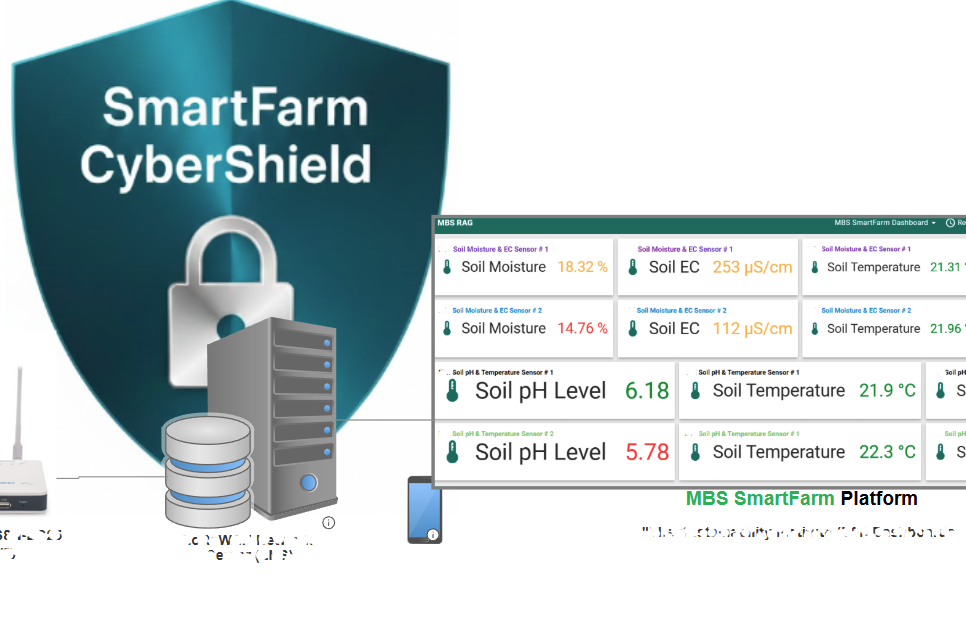
Cybersecurity Risks in Agritech are rising fast as farming operations adopt more IoT and cloud-connected systems. Smart tools and IoT-based systems boost efficiency, insight, and sustainability but they also expose new vulnerabilities that many in agriculture aren’t ready to tackle.
This article explores the most pressing cybersecurity challenges in the smart agritech industry and highlights why a proactive approach is essential to protect both digital infrastructure and agricultural output.
Key Challenges Facing Smart Agritech Cybersecurity
• Low awareness and technical literacy: Many users of smart agritech tools are unaware of the risks they face or how to take basic steps to secure their systems.
• Legacy and unpatched systems: Farm equipment often lacks built-in connectivity or cybersecurity, creating exploitable gaps for attackers.
• Insecure IoT deployments: Inexpensive or generic IoT devices often come without encryption, firmware update capabilities, or access controls.
• Limited budgets and support: Small and medium-sized farms typically operate with tight budgets, prioritizing productivity over security investments.
These issues make agricultural systems particularly attractive targets for disruption or data theft, especially as the sector becomes more digitized.
For instance, in 2020, attackers breached irrigation controllers in commercial greenhouses, leading to mismanaged water flow and crop losses. Such events underline that cybersecurity in agriculture isn’t a future concern, it’s a current need.
Mitigating these risks requires a blend of practical education, trusted tools, and adaptable security strategies that suit resource-constrained environments. Smart Agritech can only fulfill its promise if it is built on a foundation of digital resilience.
Looking for help securing your Smart AgriTech systems? Explore how organizations are protecting their farms using smart, secure tools.
→ Learn more about smart farm security