

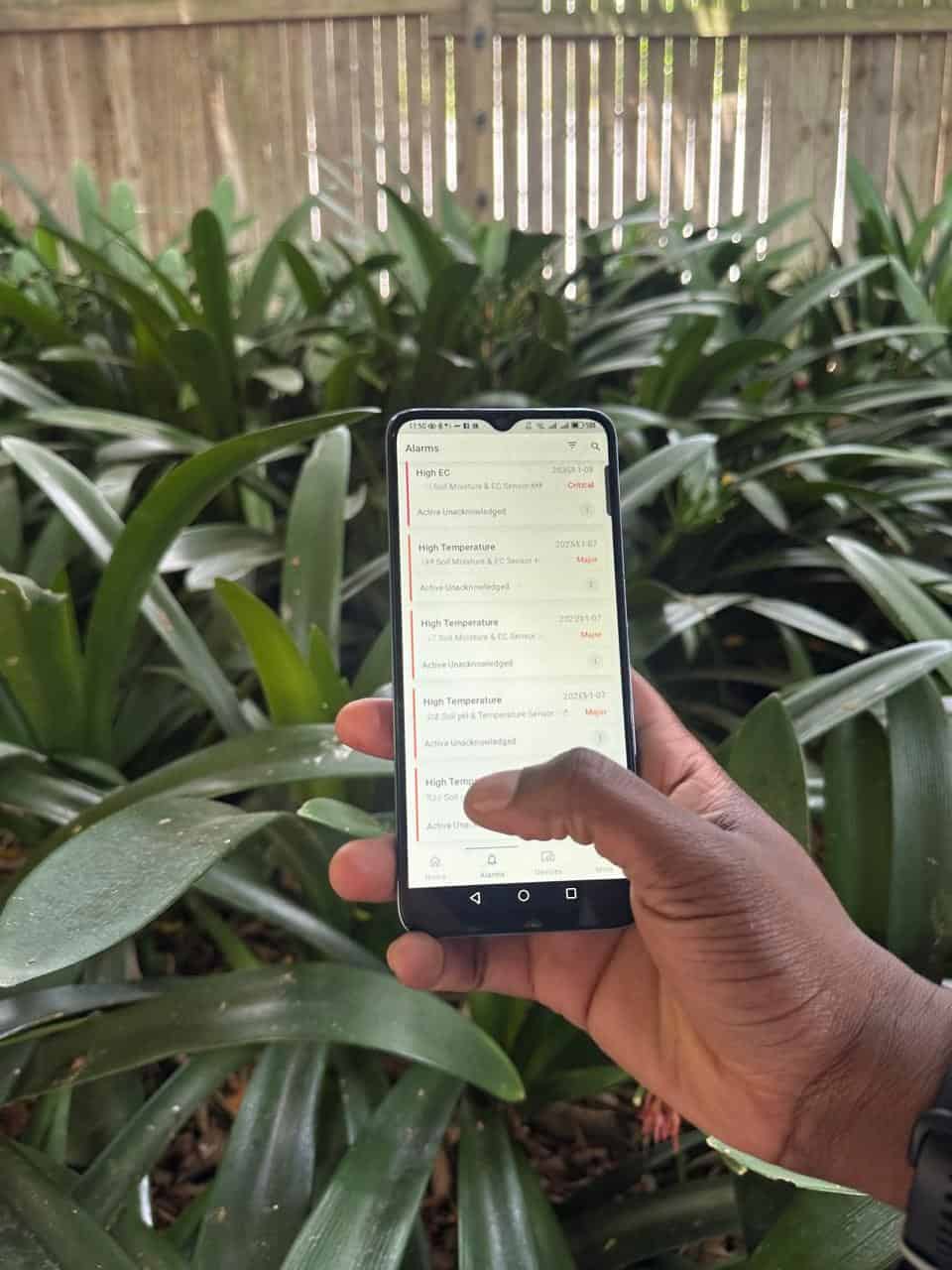
You’ve probably used a chatbot on a banking app, a delivery app, or your farm platform; type a question, get an instant answer. Convenient. But a scenario security researchers have documented repeatedly across agritech and other multi-customer platforms is a good reminder that convenience features need to be built carefully, especially when they’re sitting on top of your farm’s private data.
A quick note before we dive in: the walkthrough below is a constructed example, not a report on a specific real platform or vendor. It’s built from a well-known and well-documented pattern of mistake that shows up across the industry – the kind security researchers write about precisely because it keeps happening in different products. Think of it as “here’s a mistake worth understanding,” not “here’s what Company X did wrong.”
Here’s how it plays out, and why it matters to you as a farmer using any smart-farm platform, including this one.
What goes wrong
Picture a farm management platform with a handy chatbot. Farmers click a button instead of typing, e.g. “Weather today,” “Soil moisture now,” “Irrigation schedule this week”, and get an instant answer about their own farm.
Behind the scenes, though, imagine every one of those buttons quietly includes a code for which farm the answer should come from, sitting right there in the web address you can see in your browser. If the platform never actually checks whether the person asking is allowed to see that farm’s data, it just answers whatever farm code it’s given.
That would mean a farm manager could change one number in their own web address – swap “Farm A” for “Farm B”, and the platform hands over Farm B’s weather, soil readings, irrigation plans, and yield forecasts. No hacking skills required. No warning pops up. The system just does exactly what it’s told, which is the problem.
The real cost of a gap like this
It’s easy to think “so what, someone saw my weather forecast.” But the same weak spot would expose a lot more than weather:
- Yield forecasts – your expected harvest numbers, which have real value to buyers and competitors before you’ve even harvested.
- Irrigation schedules – a clear picture of how you farm, your crop types, and your water use.
- Soil sensor history – months of data you invested time collecting, showing your competitive edge in soil management.
- Farm layout and GPS data – where your sensors and fields actually are.
- Full farm overview – crop types, technology in use, general operations.
In short: the exact data a smart-farm platform exists to protect for you could be one click away from being visible to a stranger with an account on the same platform.
The uncomfortable truth: this is common, not rare
This isn’t a far-fetched or unusual scenario. It describes one of the most common mistakes in software built for multiple customers sharing one platform, including a lot of agritech, and it’s been documented across the industry many times over. It usually happens because a team is focused on building a farmer-friendly feature fast, and the check for “is this person actually allowed to see this data” gets missed. The friendlier and simpler an interface looks, the easier it is for this kind of gap to slip through unnoticed – for developers and for farmers alike.
What you should be asking any platform you use
You don’t need to understand the technical side to protect yourself. A few plain questions to ask any agritech provider; MyBitSecure (MBS) included, go a long way:
1. “If I change something in the web address, can I see another customer’s data?” A provider who’s thought about this will have a clear, confident answer.
2. “How is my farm’s data kept separate from other farms on your platform?” Look for an answer that mentions checking who you are, not just checking that you’re logged in.
3. “Do you test your chatbot or convenience features for this specific issue?” Convenience features; buttons, shortcuts, chat interfaces deserve the same scrutiny as the main system, not less.
4. “What happens if you find a problem like this?” A provider who talks openly about fixing issues and notifying affected customers is one worth trusting more, not less.
Our commitment on this
At MyBitSecure, this is exactly the kind of issue we build against from day one. Every farm’s data on MBS SmartFarm platform is tied to who you are when you log in, not to anything that can be changed or guessed from outside. If you ever want to understand more about how your data is kept separate from other farms on the platform, our team is always happy to walk you through it.
Good agritech isn’t just about clever sensors and dashboards. It’s ensuring the data those sensors collect stays exactly where it belongs, with you.
For the full technical breakdown, including the exact vulnerability class, attack steps, and how platforms should fix it, see The Chatbot That Leaked Every Farm on SecureBinary.

