

Part 1 covered the four sensor readings that define a good operating range. Part 2 covered the biology that range is supposed to support, and why good numbers don’t guarantee that biology is actually there. This last piece is about the thing sitting above both, the weather and the environment your whole operation lives inside, and no sensor or amendment schedule fully answers to it. Never has, never will, and anyone telling you otherwise hasn’t sat through a bad rain season.
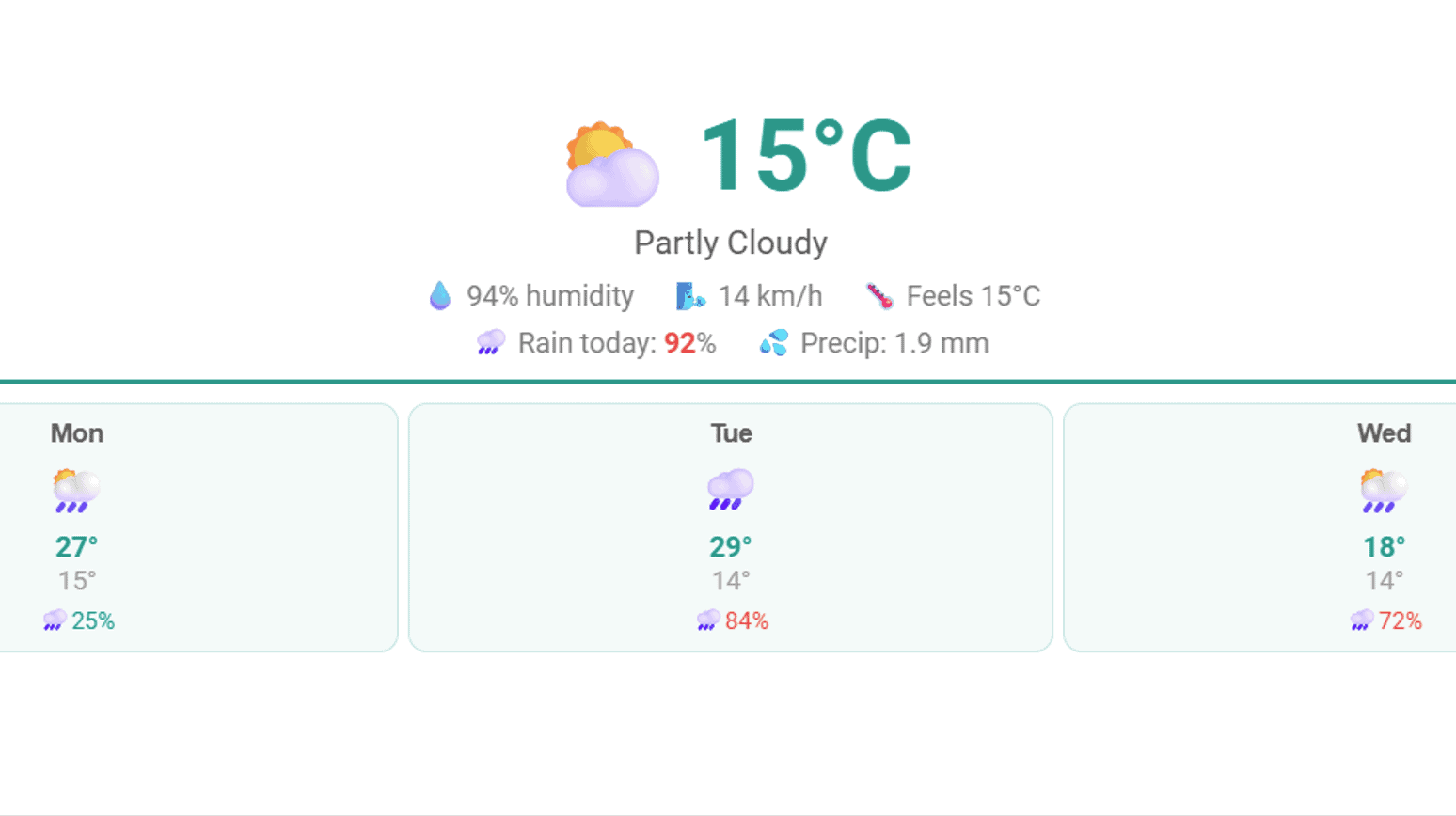
Open field first. Rain, heat, humidity, wind, the seasons, all of it acting on your soil directly, all the time. An open-field setup lets you see everything happening in high resolution, but you only get to steer part of it. A hard rain can push moisture from a solid 27.5% up past 45% waterlogged in a matter of hours, and there’s no controller on earth connected to a soil sensor that’s going to stop the rain. So the sensors’ job shifts, from control to early warning, spotting the drift the moment it starts so you can actually respond to it instead of finding out three days later when the crop tells you.
Greenhouse or any controlled environment is the other model. Shade cloth, misting, ventilation, real structure, and that gives you genuine control over temperature and some control over humidity and moisture. But “controlled” is a matter of degree, not an absolute. Heat still moves through structures, humidity still tracks the region whether you like it or not, and the biology from Part 2 still develops on its own timeline no matter how tightly you’re holding everything else.
Neither setup gets you out of the dependency chain from Part 2, not even a little. A perfectly climate-controlled greenhouse hitting every ideal number from Part 1 still needs organic matter, time, and usually deliberate inoculation to build up the bacteria, fungi, and earthworm populations that actually drive the biology score. Good environmental control buys you a steadier operating range. It doesn’t buy you biology on a schedule, and if that’s what you were hoping for, that’s just not how any of this works.
So what’s the point of all this monitoring, once you accept you can’t control everything? Honestly, that’s the whole conclusion of this series. The sensors were never meant to eliminate variance, they were never going to stop the rain or the heat wave. What they do is let you see the drift the moment it happens, understand which of the eight numbers across this series actually moved and by how much, and step in with mulch, shade, irrigation timing, or amendment before a bad week turns into a real regression in your biology score.
Which changes how you should read the whole series. The eight numbers across Parts 1 and 2 were never levers you pull to force an outcome overnight. They’re well-chosen signals of where your farm actually stands right now, shaped by things you control, irrigation, amendment, shade, and things you don’t, weather, time, how fast biology actually builds.
One question I keep getting from farmers: is any of this genetic modification? No. Everything we’ve covered, tuning moisture and EC, encouraging fungal colonisation, building organic matter, works with your soil and your plants’ own biology to help them do what they’re already capable of. None of it changes what the plant or the soil organisms fundamentally are. A Stage 5 “Thriving” score describes a system operating at the top of its natural range, not one that’s been redesigned into something different.
Put the three parts together and you’ve got a full picture: numbers you can tune and verify, biology that responds but on its own clock and can’t be rushed, and an outside environment you can watch and partially buffer against but never fully control. An 82 on the Riverbend dashboard is a snapshot of all three holding well at the same moment, not a promise they’ll still be holding tomorrow. That’s exactly why the sensors are there in the first place. If this series left you wondering what your own field’s numbers actually look like right now, that’s not something a reference example can answer for you. Get a SmartFarm quote and we’ll get real telemetry on your ground.

